


L-Carnitine XL – DY Nutrition Worldwide
US$ 21.70
We detail what must be known about BPC-157, including data from cutting-edge, peer-reviewed studies and how to successfully incorporate this popular peptide into research on erectile dysfunction
Mechanistically, BPC-157 appears to function through nitric oxide-mediated vasodilation, angiogenic factor regulation, and recruitment of fibroblasts and endothelial progenitor cells 1-3
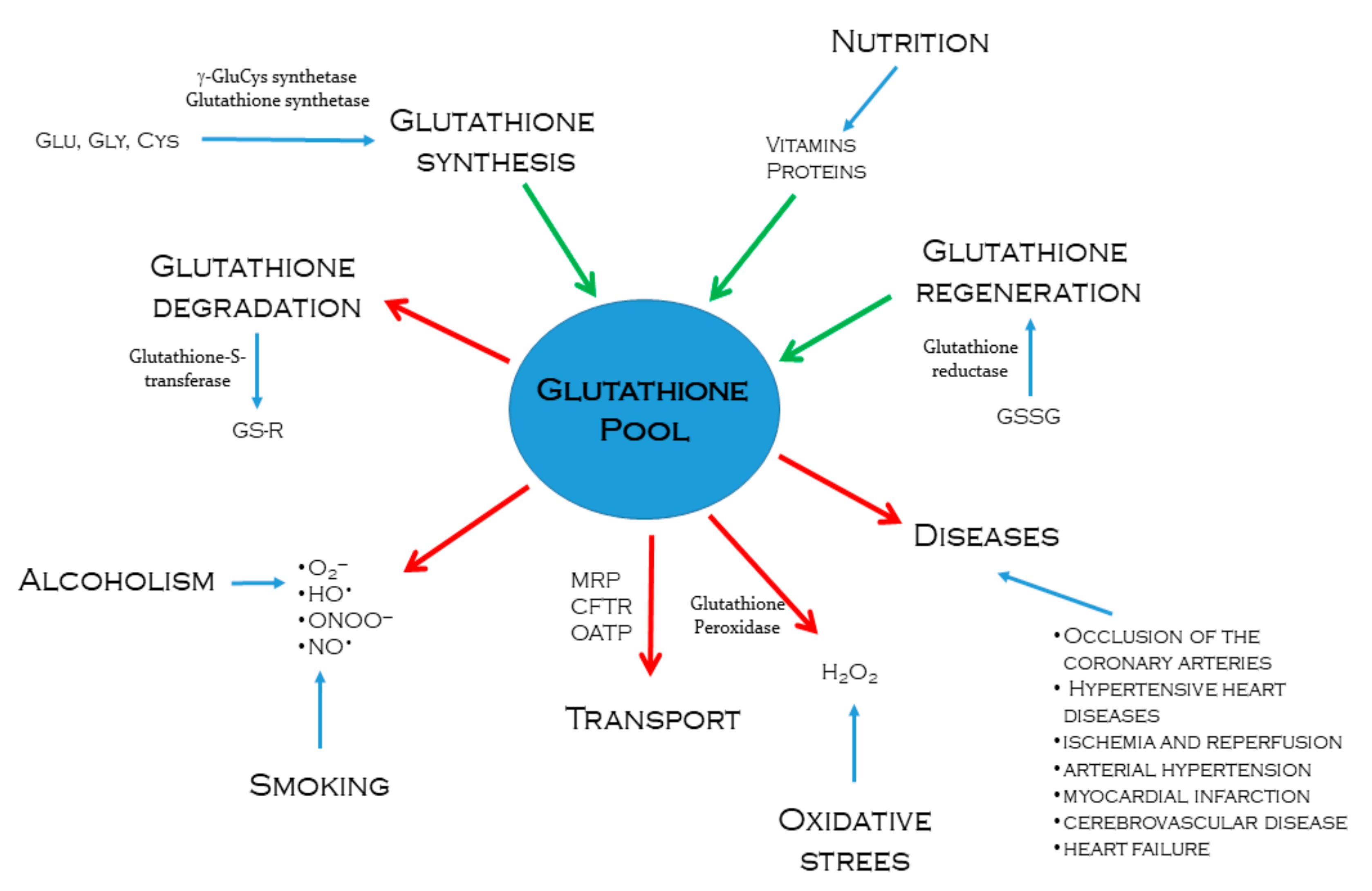
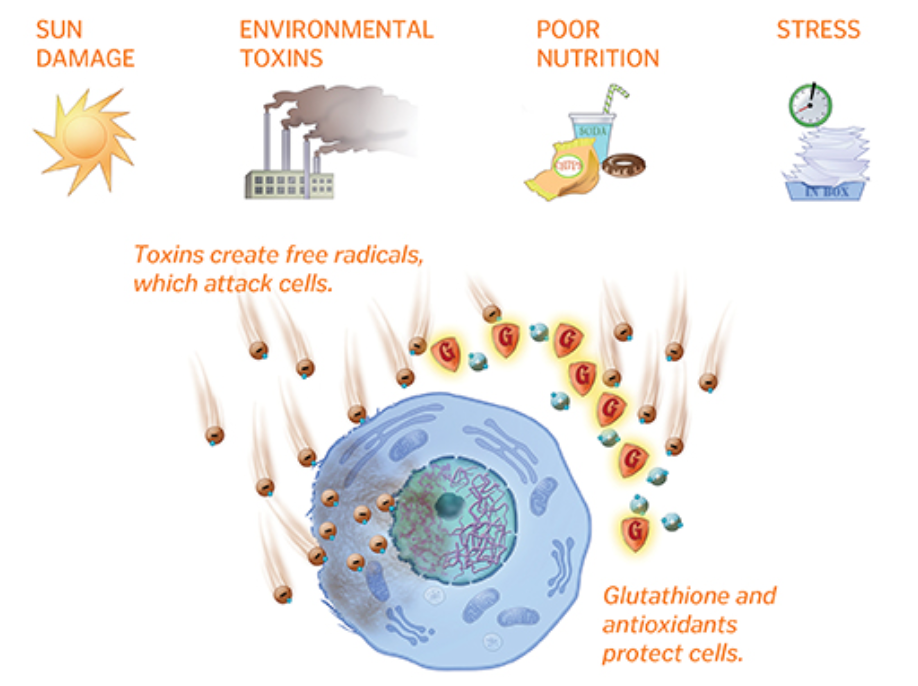
Scientists from Baylor College of Medicine in Houston recently found that glutathione increases lifespan in mice by 24%
The development of supplementary inhibitors may significantly improve the efficacy of targeted therapies aimed at exploiting cysteine dependence to treat certain subtypes of breast cancer

A provider can help review: Whether BPC-157 is appropriate for your situation Whether another peptide or regenerative option may be safer Possible medication or health-history concerns Route of use and cycle length Sterility and sourcing concerns Whether follow-up monitoring is needed When to stop, pause, or adjust the plan Medical guidance matters because peptide therapy should be personalized, monitored, and tied to a real treatment goal
US$ 21.70
US$ 24.59
US$ 21.11
US$ 22.25
US$ 21.26
US$ 25.56